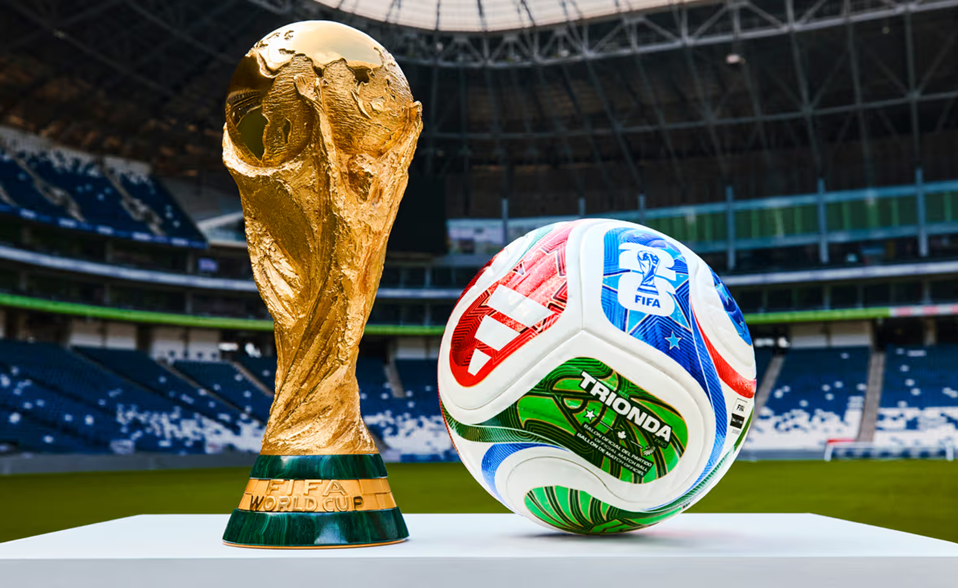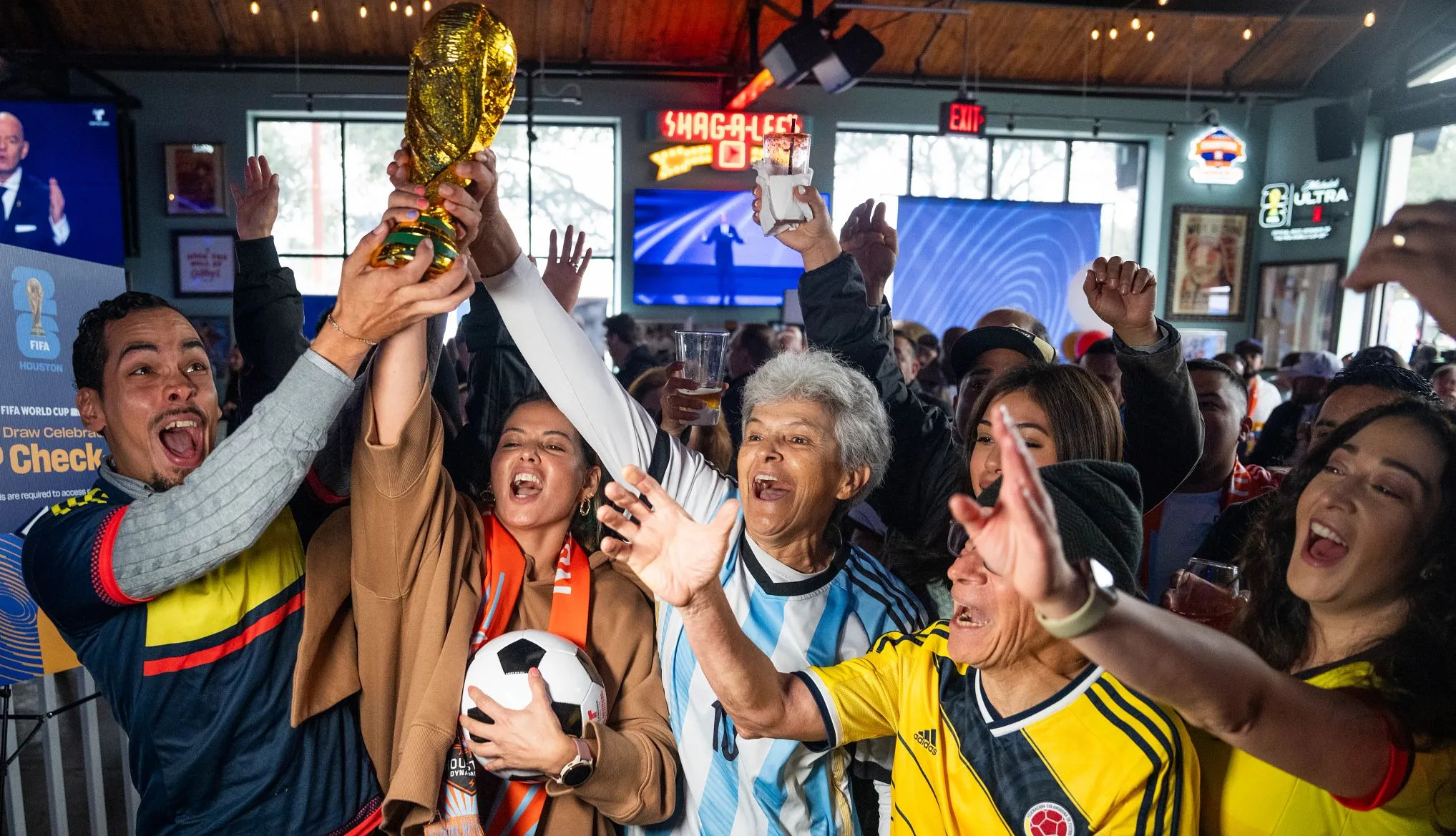
FIFA is set to generate roughly $8.9 billion in revenue from the 2026 World Cup, a 54 jump over the $5.7 billion produced by Qatar 2022 and the largest haul in the tournaments history. The figure caps a monthlong event hosted across the United States, Mexico and Canada, culminating in Sundays final at MetLife Stadium in New Jersey.
The growth is not evenly distributed across revenue lines, and that distribution tells the real story. Broadcasting rights remain the single largest contributor at close to $4 billion, with US media rights alone up an estimated 94 versus Qatar. Sponsorship revenue climbed to an estimated $1.8 billion to $2.4 billion, aided by new commercial partners including Saudi energy group Aramco, and FIFA sold out all 16 global sponsorship slots before a ball was kicked, a first in the events history. But the fastest-growing line by far is matchday revenue: ticketing and hospitality are forecast to reach roughly $3 billion, up 220 from the roughly $950 million Qatar generated, as FIFA expanded the field from 32 to 48 teams and pushed the match count from 64 to 104.
That expansion is the mechanical driver behind the headline number, and it complicates the record-breaking narrative. Industry analysts tracking the tournaments broadcast economics have noted that while aggregate rights value is up, the per-game value of those rights actually fell by roughly 19, and total broadcast deal volume dropped about 11, once the larger match inventory is accounted for. In other words, FIFA is generating more money by selling more games, not because each game is worth more to broadcasters and sponsors. That is a meaningfully different growth story than the one implied by the $8.9 billion topline, and it raises a question FIFA will face again when it sets the format for future editions: whether adding inventory is a sustainable substitute for improving per-unit value.
The shift toward matchday and hospitality revenue is also notable on its own terms. Ticketing and hospitality have historically been a secondary revenue stream behind broadcasting and sponsorship for global tournaments, but their 220 growth rate outpaces both. That points to FIFA, and major event owners more broadly, leaning harder into premium experiential products, dynamic ticket pricing and corporate hospitality packages as a growth lever that does not depend on renegotiating broadcaster contracts.
The financial structure also renews scrutiny of who bears the cost of hosting. Host cities have faced substantial security, infrastructure and operational expenses not offset by FIFAs central revenue pool, a dynamic that has drawn criticism as FIFAs own take grows. That tension will likely shape how aggressively cities bid for hosting rights, and how FIFA structures cost-sharing for the 2030 tournament across Spain, Portugal and Morocco, and the centenary edition split across South America.
For the broader industry, the 2026 numbers set a benchmark other federations will be measured against, validating FIFAs bet that a larger-format tournament, despite diluting per-game value, can still produce a bigger commercial outcome. Broadcasters and sponsors underwriting the next rights cycle will negotiate against that expanded-inventory logic, while host committees will push for a larger share of the value FIFA now captures.