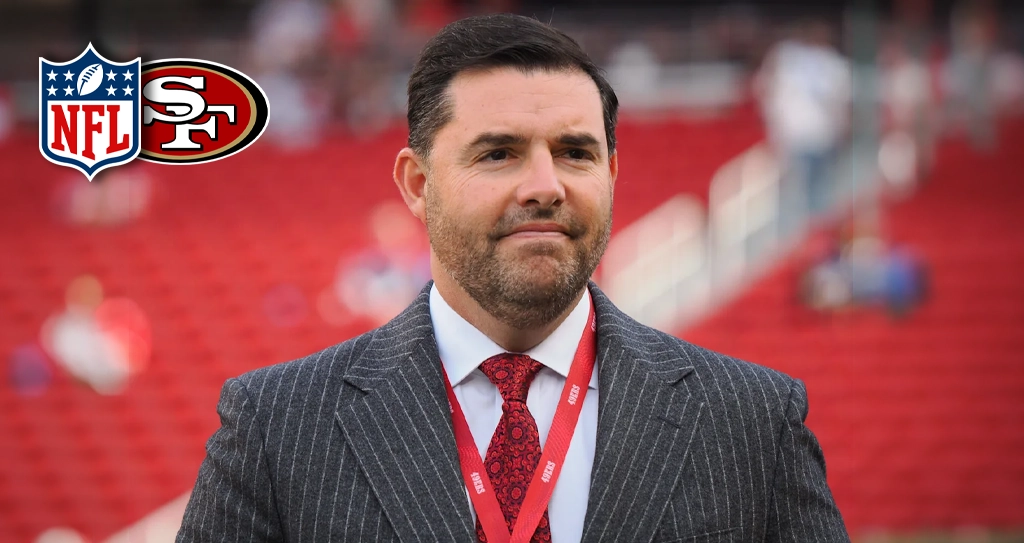
The NFL is reviewing San Francisco 49ers owner Jed York under its personal conduct policy following his arrest in East Palestine, Ohio, by the Mahoning Valley Human Trafficking Task Force. Commissioner Roger Goodell confirmed the review publicly, saying the matter was being examined under the policy and that the league would report on it when there was something to report.
York was detained in a sting operation in which authorities said he offered $160 for sexual services. He was initially charged with engaging in prostitution; prosecutors reduced the charge, and he pleaded no contest to disorderly conduct and to possessing criminal tools, the latter relating to his use of a phone to respond to an undercover advertisement. He received one day in jail, credited as time served, and a $1,150 fine, with the seized $160 directed to the task force. The criminal matter is therefore closed, which is what makes the league process consequential rather than incidental: the NFLs personal conduct policy applies to owners and club executives independently of criminal outcomes, and the commissioner has discretion to impose discipline where conduct is judged detrimental to the league regardless of how charges are resolved.
The precedents point in two directions. Indianapolis Colts owner Jim Irsay was suspended for six games and fined $500,000 following a 2014 driving conviction, the reference point for meaningful owner discipline. New England Patriots owner Robert Kraft was investigated in 2019 over comparable allegations and was not punished after the charges against him were dismissed. Yorks case sits between those markers: unlike Kraft, he entered a no-contest plea and accepted a penalty, but the conviction is for a reduced, non-felony offence. Whatever Goodell decides will function as the operative standard for owner conduct, and it will be measured against the far more codified discipline the league applies to players for comparable off-field matters.
The governance question runs beyond one franchise. Owners are the constituency that employs the commissioner and votes on the policy under which they are judged, which is the structural conflict that makes every owner discipline decision a test of whether the policy applies symmetrically. The commercial context sharpens it: the 49ers operate one of the leagues most valuable franchises, and Levis Stadium has just come through a period of hosting both a Super Bowl and FIFA World Cup matches, a profile that depends on institutional partners, public authorities and sponsors who attach conduct expectations to their agreements. A finding that produces no sanction would give players representatives a concrete comparison to raise in the next round of conduct policy discussions, and would leave the league defending a standard that has now been tested twice on the same category of conduct with different results.