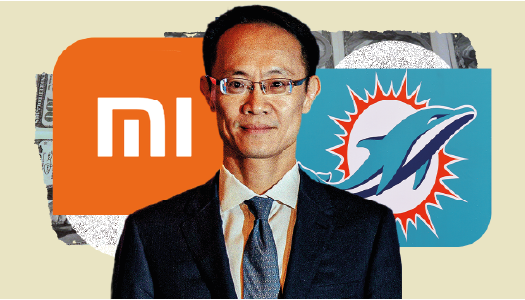
Stephen Ross has agreed to sell 2.1 of the Miami Dolphins and affiliated businesses to Jean Eric Salata, chairman of the Swedish investment firm EQT AB, at a valuation slightly above $12.5 billion, the highest yet for a minority stake in an NFL franchise. The NFL finance committee reportedly approved the transaction last month, and owners are expected to vote at their meeting in New York next week.
The package is broader than the football club. According to the Miami Herald, it includes interests in Hard Rock Stadium, the Formula 1 Miami Grand Prix and the organisations stake in the Miami Open tennis tournament. It is the third time in less than three years that Ross has reduced his holding. In December 2024 he sold 10 to Ares Management and a combined 3 to Joe Tsai and Oliver Weisberg at an $8.1 billion valuation, and he has since sold further small slices. Ross has said he has no intention of giving up control, describing the sales as estate planning, and he has used Ross Sports and Entertainment and the Dolphins as collateral for real estate loans. He is also reported to be in advanced talks to sell 20 of the Miami Grand Prix to Otro Capital, although no deal has been finalised. Forbes values the Dolphins at $10.4 billion, and Sports Business Journals average of public estimates is $10.59 billion. At the reported valuation, the 2.1 stake implies a price of roughly $260 million.
The premium of around 20 over third-party estimates is best explained by what is being bought. Salata is not acquiring a share of a franchise whose income is dominated by pooled league media money, but exposure to a Miami sports and entertainment platform that includes a stadium with a year-round events calendar, a Formula 1 race and a top-tier tennis tournament. That diversification is what Ross is monetising. The structure also reflects how scarce NFL equity has become. League rules restrict institutional funds to a combined 10 of a club, which keeps small stakes in short supply and supports their pricing.
The deal resets the comparables for a run of minority transactions, including the Giants stake sale to the Koch family above $10 billion, the Patriots 8 sale above $9 billion and the Atlanta Falcons 10 deal with Arctos at $10.6 billion. It also raises a methodological question for the market. Valuations set by thin, non-controlling slices are useful marks for owners seeking liquidity or collateral, but they are not the same as a control price, and a full sale would test whether $12.5 billion holds. For other owners with adjacent real estate and events assets, the message is clear: bundling those assets with the team is now the most effective way to lift the headline number.