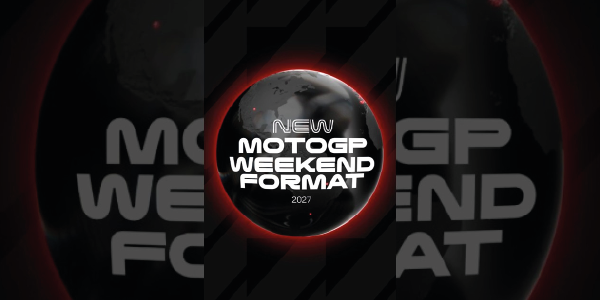
MotoGP will introduce a new race-weekend format from the 2027 season, with separate grids for the Sprint and the Grand Prix, a new Friday qualifying session for the Sprint and less overall track time. The changes, announced on October 9, are the most significant revision to the product since Liberty Media took control of the championship in 2025.
Under the new structure, Friday will feature a 45-minute first practice, a 30-minute second practice that does not count towards any other session, and a new 15-minute Sprint qualifying session for all riders that sets the Saturday Sprint grid. Saturday will feature a 20-minute third practice followed by a 15-minute first Grand Prix qualifying session for the full field, with the top 12 advancing to a second session that decides pole and the first four rows. On Sunday, the warm-up is removed and replaced by a 10-minute pitlane opening before the Grand Prix, while the Moto3 and Moto2 races will open the day. MotoGPs Carlos Ezpeleta said the goal is to reduce track time and make the weekend easier to understand for new viewers. Teams asked for a revised schedule during the Misano round, and Michelin data showed that around 80 of riders already make two timed attempts on Friday afternoon. Several elements, including the Friday Sprint qualifying and the removal of the warm-up, have been unpopular with riders. The reform arrives alongside other changes for 2027, including the move to 850cc engines and Pirelli as the new tyre supplier.
The new format is built for television and commercial partners. Each day now ends with a session that sets a grid or awards points, which gives broadcasters more competitive windows to schedule and promote, while giving sponsors clearer moments to activate around. Separate grids double the qualifying storylines at every round, while less track time cuts tyre, staffing and logistics costs for teams. It is the approach Liberty applied to Formula 1, where sprint weekends and narrative-led content helped widen the audience, and it suggests the owner sees MotoGPs growth coming from greater accessibility for casual viewers rather than from more running for existing fans.
The implications extend across the paddock. Broadcasters negotiating future rights will be offered a simpler and more promotable product. Race promoters gain a schedule that is easier to sell to hospitality clients, as shown by Red Bull taking title rights to the Australian Grand Prix this month. Team valuations, illustrated by the minority investment from the 1936 platform in Trackhouse Racing on October 14, depend on audience growth turning into media and sponsorship income. The risk is governance rather than commercial: riders are part of the product, and a format built for viewers despite their objections will need careful management to avoid the kind of friction that would weaken the stories Liberty is trying to sell.