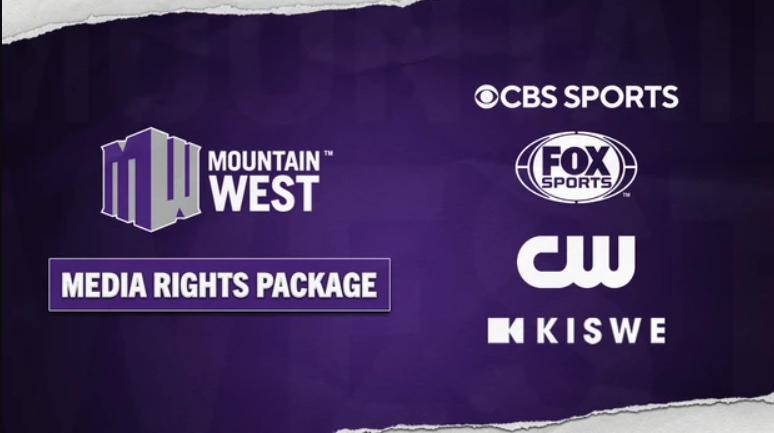
The Mountain West Conference secured comprehensive media rights through 2031-32 with CBS Sports, FOX Sports, The CW Network, and Kiswe—a multi-platform strategy reflecting how mid-tier conferences now monetize content across diverse distribution channels rather than betting on exclusive single-network arrangements.
The six-year agreement provides revenue predictability essential for athletic budget planning and long-term institutional strategy. Conference members can commit to coaching salaries, facility investments, and recruiting spending without negotiating renewal every three years. Shorter renewal cycles create leverage imbalances favoring broadcasters; longer agreements shift negotiating power toward conferences and member institutions.
CBS and FOX Sports occupy premium positioning in the package, securing college sports most commercially valuable content. These networks command large audiences among traditional college sports viewers—demographics over 45 representing substantial television advertising demographics. The CW Network gains programming content to differentiate from competitors while accessing younger viewers and regional markets. Kiswe captures international audiences and digital-first consumers increasingly unreachable through traditional cable distribution mechanisms.
This portfolio approach acknowledges demographic and consumption pattern realities. No single broadcaster can effectively reach all audience segments across all sports and time slots. Some viewers prefer cable television. Others subscribe exclusively to streaming services. Many maintain multiple simultaneous service subscriptions, creating segmented viewing patterns across age, technology adoption, and geographic distribution.
By distributing content across four distinct platforms, the Mountain West captures audiences following specific sports, preferring specific time slots, and consuming content through varying channels. This fragmentation approach increases total available audience relative to exclusive single-network models that inevitably alienate viewers outside the networks distribution footprint.
For the conference, the arrangement creates competitive advantages in recruiting and marketplace visibility. Guarantees of broad distribution enhance athlete visibility, influencing recruiting outcomes for member institutions. Broadcast consistency matters for team valuation, sponsorship negotiation, and conference prestige. The six-year stability provides negotiating leverage with potential conference realignment discussions, demonstrating financial sustainability and partnership reliability to prospective members.
Mountain West Conference Secures Six-Year Media Rights Package with CBS, FOX, CW, and Kiswe
Credit: Editor and publisher