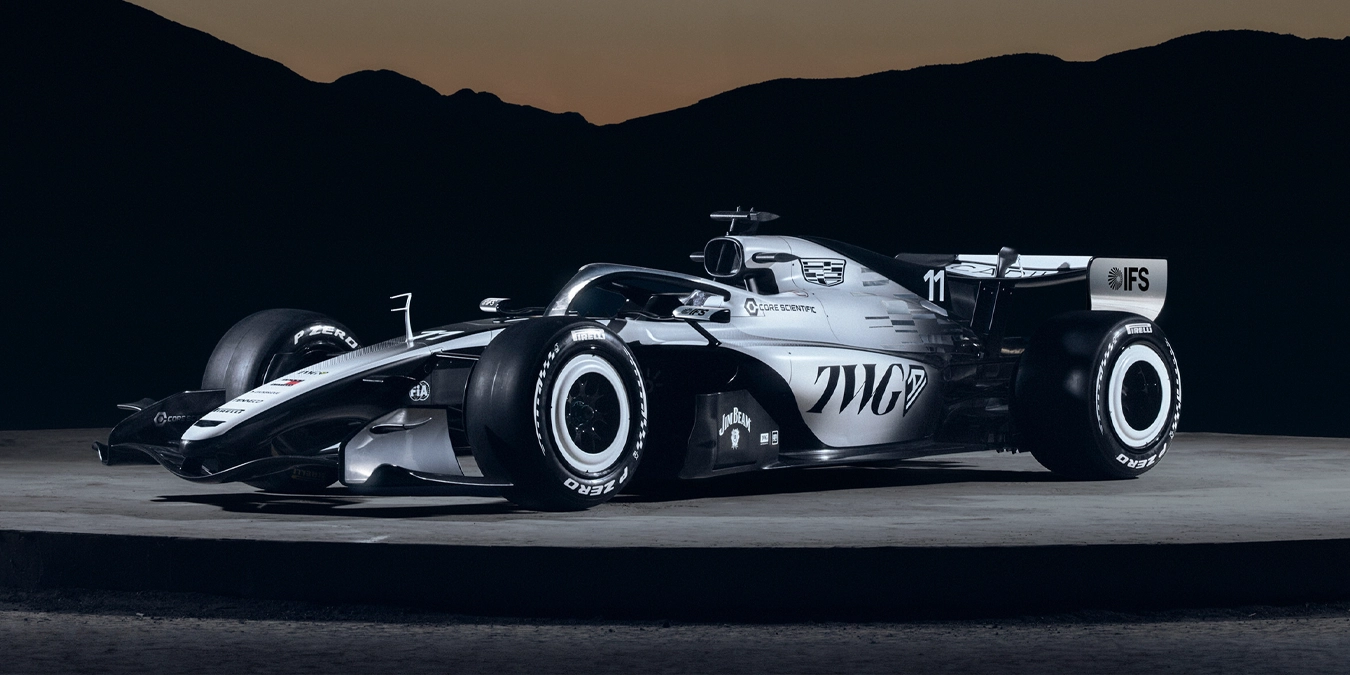
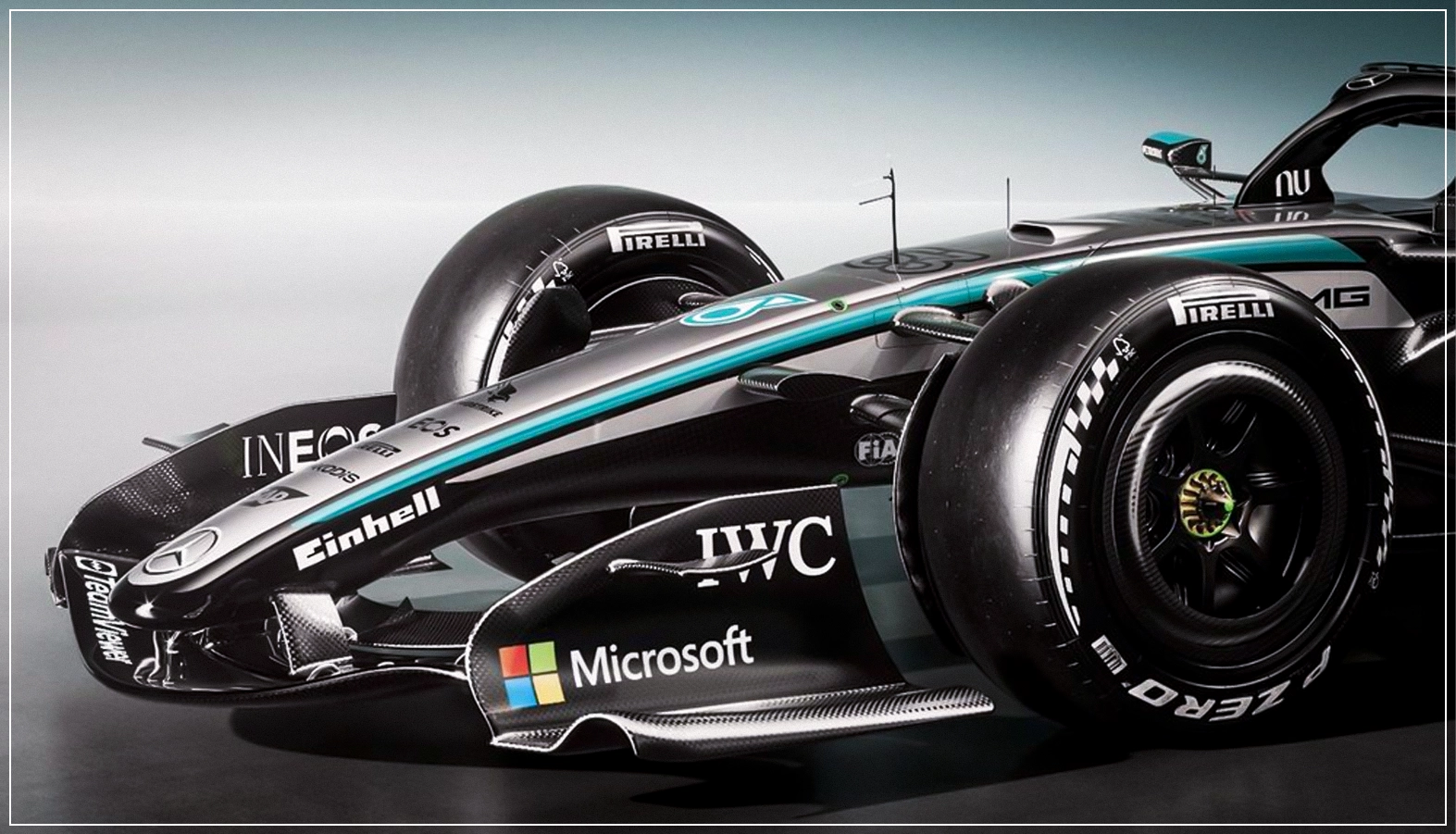
Mercedes-AMG Petronas Formula 1 Team has confirmed Microsoft as its new principal technology partner under a multi-year agreement reported to be worth approximately 60 million dollars per season, according to disclosures tied to the unveiling of the W17 car ahead of the 2026 Formula 1 season. The agreement gives Microsoft prominent branding on the cars of George Russell and Andrea Kimi Antonelli and integrates the companys data and artificial intelligence infrastructure across the teams trackside, factory and commercial operations.
The partnership is projected to be the third most lucrative on the current Formula 1 grid, trailing only Petronass long-standing title sponsorship of Mercedes, valued at roughly 75 million dollars annually, and Oracles title sponsorship of Red Bull Racing at approximately 100 million dollars. Microsoft previously supported Red Bull before switching camps for the new regulation cycle, a move that underscores how contested the Formula 1 technology category has become. The 2026 season introduces sweeping power-unit, aerodynamic and sustainable-fuel regulations, and with 11 constructors on the grid following Audis entry and Cadillacs imminent arrival, teams are aggressively reshaping sponsor rosters to fund development cycles that are running against the sports 215 million dollar cost-cap ceiling.
The strategic meaning is a structural revaluation of enterprise technology as a sports sponsorship category. Oracle, Amazon Web Services, Microsoft, Salesforce, IBM and Google Cloud are now competing for title and near-title positions across Formula 1, Formula E, the NFL, the Premier League and major tennis events, not merely buying logo placement but embedding commercial AI and data products directly into team and league operations. For Mercedes, Microsofts Azure platform and Copilot tools support aerodynamic simulation, race strategy analytics and commercial CRM, reducing the teams engineering cost base while turning on-car signage into a live demonstration surface for enterprise products. That playbook mirrors how Microsoft has scaled partnerships with the NBA and Premier League clubs and is increasingly the lens through which hyperscalers measure return on sports investment.
The implications for the wider industry are twofold. First, the category ceiling for technology sponsorship in motorsport now sits between 50 and 100 million dollars annually for a top-tier position, well above legacy automotive and financial-services benchmarks, and sets a renewal reference point for rival constructors such as McLaren with Google Cloud and Ferrari with HP. Second, the fact that hyperscalers are shifting allegiances in sync with regulatory resets means mid-grid teams without a flagship technology partner will face accelerating revenue gaps in the new era. For Formula 1 as a commercial rights holder, the deal validates the thesis that regulation-change cycles are the single highest-leverage sales windows the sport has — and that enterprise technology, not automotive, is now the dominant category at the top of the sponsorship stack.