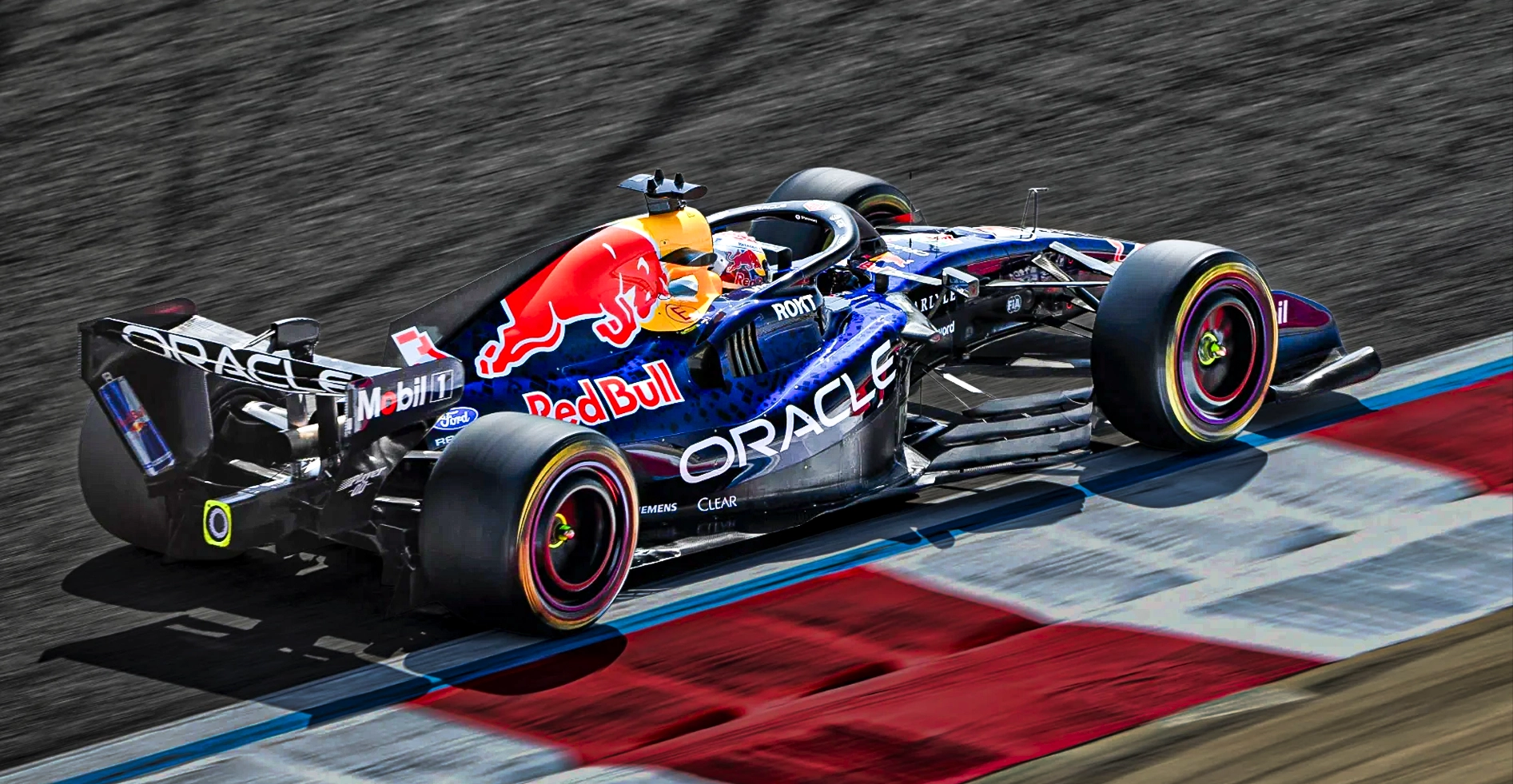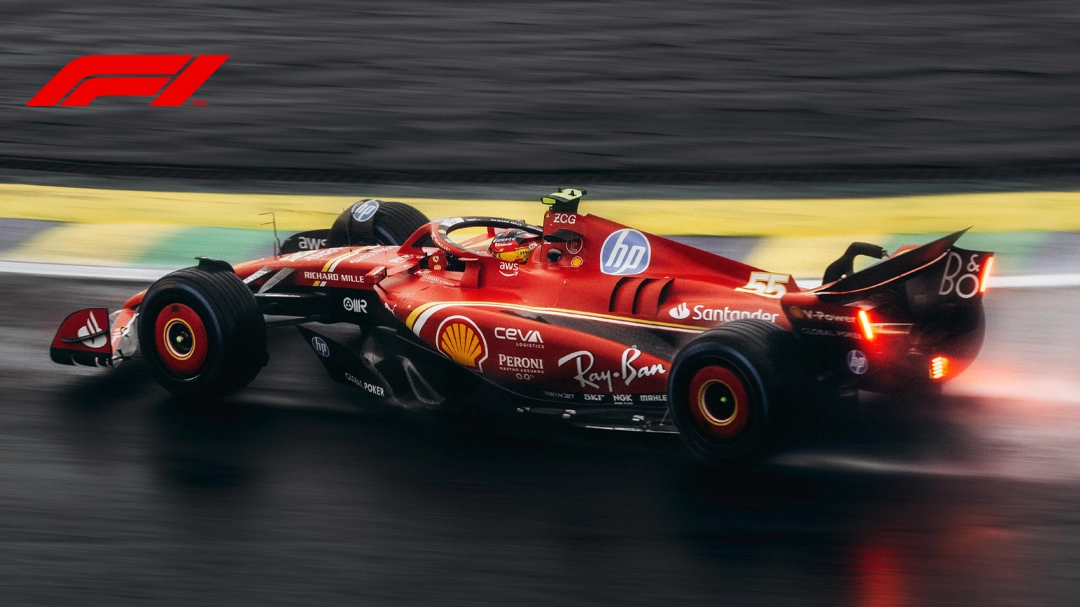
Louis Vuitton has been appointed as title partner of the 2026 Formula 1 Louis Vuitton Grand Prix de Monaco, marking the luxury brands evolution from peripheral event partner to prominent naming-rights stakeholder. This partnership, structured as a multi-year agreement among Louis Vuitton, Formula 1, and the Automobile Club de Monaco, grants the French luxury house exclusive title placement, trackside branding, and activation rights throughout the Monaco race weekend June 5–7, 2026. The deal extends Louis Vuittons existing relationship with the event, which began in 2021 with trophy case design, and represents part of a broader strategic integration with the LVMH Groups 10-year partnership with Formula 1, announced in October 2024 and running through 2034.
The partnership signals a fundamental shift in luxury brand engagement with motorsport. Historically, luxury brands viewed sports sponsorship as a secondary activation channel—a platform for hospitality and brand association but not a core commercial or narrative driver. Louis Vuittons move to title partnership at Monaco, one of motorsports most iconic events, reflects the maturation of luxurys approach to sports: these brands now seek direct naming rights, operational integration, and control over event narrative, not merely trackside visibility. Monacos uniqueness—its positioning at the intersection of wealth, automotive culture, and European glamour—makes it the ideal property for luxury brand leadership.
The competitive positioning angle is equally significant. By securing Monaco as a title partner, Louis Vuitton asserts dominance over rival luxury conglomerates including Richemont and Kering seeking sports partnerships. The LVMH/F1 agreement gives LVMH maisons Louis Vuitton, TAG Heuer, Moet Hennessy privileged access to F1s most premium properties and events. This creates a structural advantage: rival luxury brands must negotiate for secondary F1 partnerships or pursue motorsport properties outside F1. The Monaco title partnership therefore represents a competitive moat for LVMH within the luxury-sports ecosystem through 2034.
The industry implication is that title sponsorship of premium sporting events is no longer the exclusive domain of endemic automotive, energy, financial services and technology sponsors. Luxury conglomerates now compete aggressively for naming rights to iconic events, treating them as flagship brand platforms rather than supplementary marketing channels. This will reshape sponsorship economics: if luxury brands are willing to pay premium rates for naming rights at marquee events, event owners will have leverage to command higher title sponsorship valuations across the sports landscape.
Louis Vuitton Becomes Monaco Grand Prix Title Partner