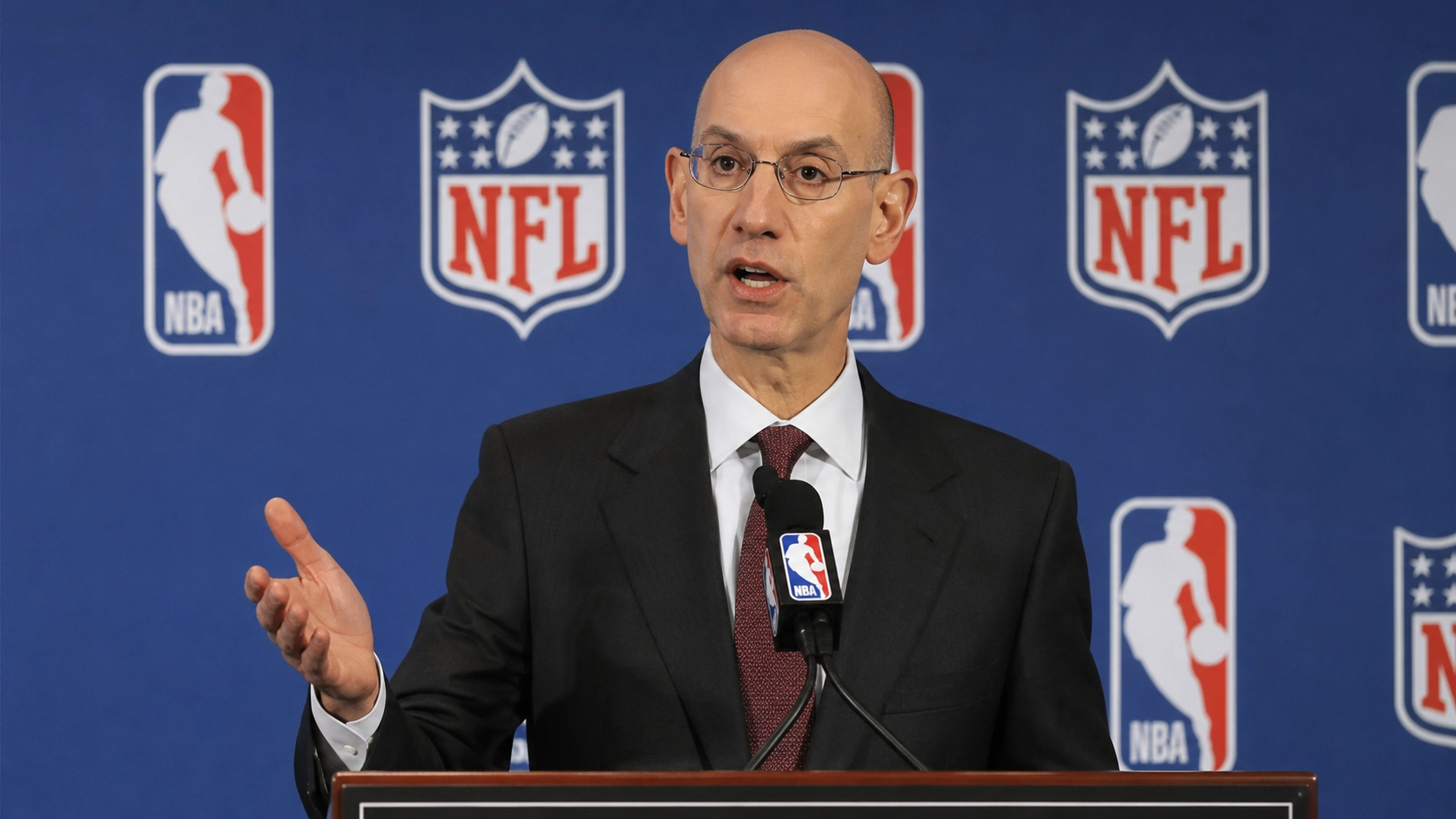
The NFL and NBA have issued league-wide memos instituting new protocols aimed at curbing the risk of prop-bet manipulation, following a wave of sports betting integrity scandals across US leagues, including federal indictments of MLB pitchers accused of manipulating in-game outcomes for bettors, with one case allegedly involving rigged pitches across 48 games over two seasons.
The NFLs memo specifically flags prop categories the league considers to have a corrosive effect on competitive integrity: bets tied to player injuries, officiating decisions, and predetermined outcomes such as which quarterback will start a given game. The league has been lobbying state regulators and sportsbook operators directly to restrict these categories, rather than waiting for state-by-state legislative action. The NBAs parallel memo follows the same logic, part of a broader response by both leagues, and separately by the NCAA, to an integrity environment that has grown more volatile as prediction market platforms have begun offering contracts on increasingly granular, subjective in-game events, including whether specific phrases such as roughing the passer or concussion protocol will be mentioned during a broadcast.
The context matters here: this is not leagues turning against betting as a revenue category. The NFL, NBA and their peers have built substantial commercial relationships with sportsbook operators over the past several years, worth hundreds of millions of dollars in official betting partnerships, data licensing and sponsorship. What the memos represent is a more targeted move to separate the betting products leagues are commercially aligned with, largely game-outcome and season-long markets with deep liquidity, from prop and prediction-market products built around low-liquidity, subjective, or easily influenced events that are far more exposed to insider manipulation by players, officials or team staff with access to non-public information.
That distinction is the real strategic story. Leagues are not retreating from gambling-driven engagement or sponsorship revenue; they are trying to redraw the boundary of what counts as an acceptable betting product, positioning themselves as partners to regulators on integrity while continuing to expand betting-linked commercial deals elsewhere. It is a selective embrace: capture the upside of legalized bettings engagement and revenue benefits while pushing regulators and operators to eliminate the bet types most likely to produce a scandal that could damage the underlying product.
The impact extends beyond the two leagues. Sportsbook operators will likely need to adjust prop-bet menus league by league as each sport draws its own lines around acceptable markets, complicating product design across multi-sport betting platforms. The NFL and NCAA have also asked regulators to pause certain prediction market offerings until stronger integrity protections exist, adding pressure on the CFTC and state regulators already navigating disputes over whether platforms like Kalshis sports contracts constitute betting or federally regulated financial instruments. That ambiguity, combined with league pressure, raises the odds that federal standard-setting efforts, such as the proposed SAFE Bet Act, gain traction as a replacement for the current patchwork of state rules.