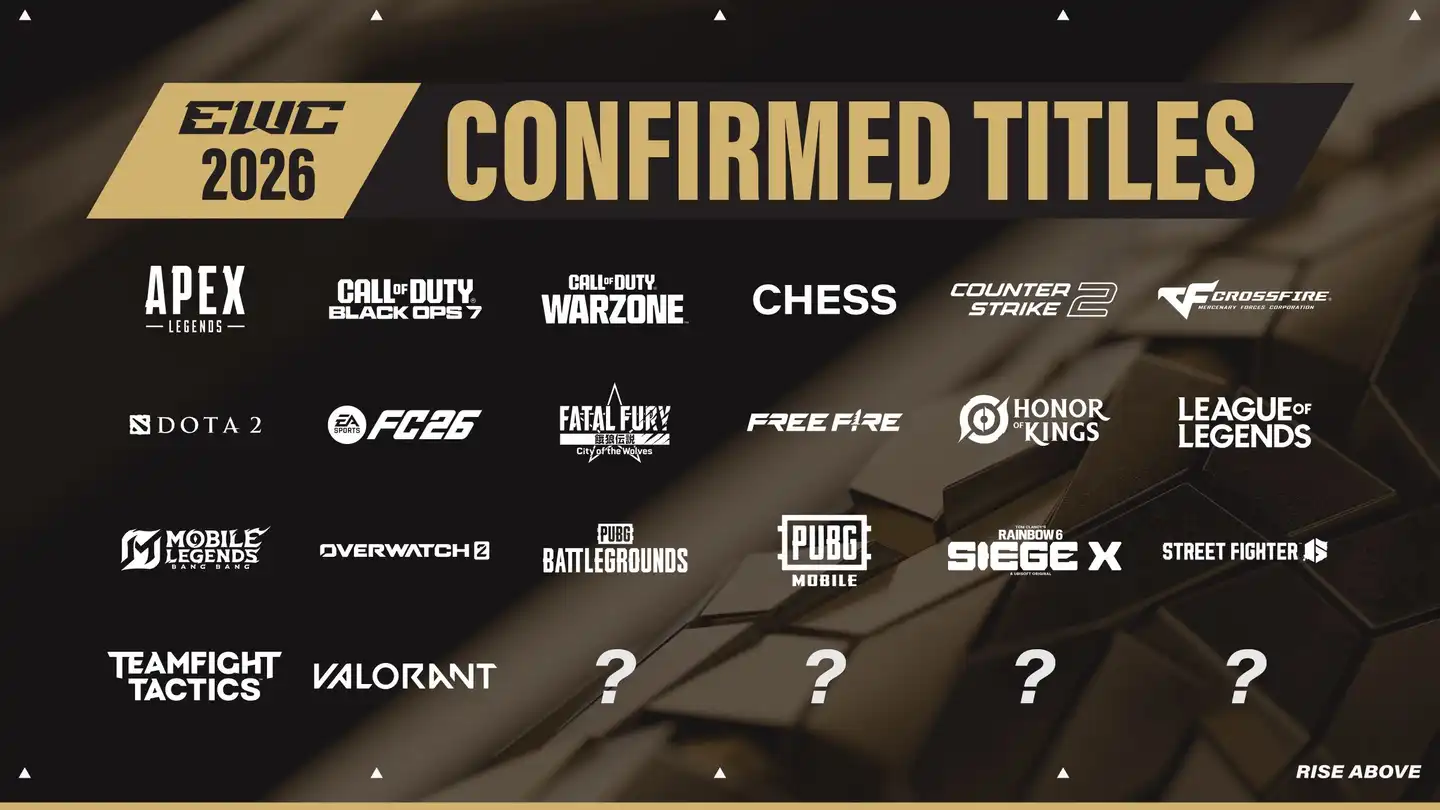
The Esports World Cup Foundation has secured $120 million in combined sponsorships for the 2026 Esports World Cup, set to take place in Paris with a total event investment of $290 million. The sponsorship portfolio includes major automotive, beverage, luxury, and technology brands, representing an unprecedented concentration of mainstream corporate capital into competitive gaming infrastructure. The event will feature multiple esports titles Counter-Strike, League of Legends, Valorant, Street Fighter, attract top-100 professional teams globally, and is projected to generate $700 million in indirect economic impact through tourism, hospitality, and local employment.
This deal represents a watershed moment in esports institutionalization: the $120 million sponsorship haul exceeds the total sponsorship revenue of most traditional sports franchises and signals that esports is now competing for mainstream brand budgets on par with established sports properties. The composition of sponsors is equally significant—luxury automotive brands, FMCG conglomerates, and major technology firms are committing capital at scales previously reserved for Olympic Games, World Cups, and major league championships. This signals that esports has successfully transitioned from a niche gamer community to a mainstream entertainment property with institutional consumer reach.
The competitive positioning angle extends globally. For esports organizations outside Paris 2026, this event establishes the commercial valuation baseline: sponsors now expect esports properties to deliver at Olympic-scale audience and engagement metrics. Smaller regional esports tournaments and franchises will struggle to attract major brand sponsorships unless they can demonstrate comparable audience reach or endemic brand relevance. Conversely, tier-one esports properties will consolidate sponsorship capital as mainstream brands rationalize their esports budgets toward fewer, larger properties with demonstrated audience scale.
The precedent also signals to traditional sports properties that esports is now a direct competitor for sponsorship dollars. Marketing budgets that previously flowed to regional soccer leagues or mid-tier motorsport properties are now being redirected toward esports. This forces traditional sports to innovate or risk losing sponsor relevance among younger demographics. The Paris 2026 Esports World Cup therefore represents not just a validation of esports as an institutional property, but a forcing function for traditional sports to accelerate digital transformation and fan engagement modernization.