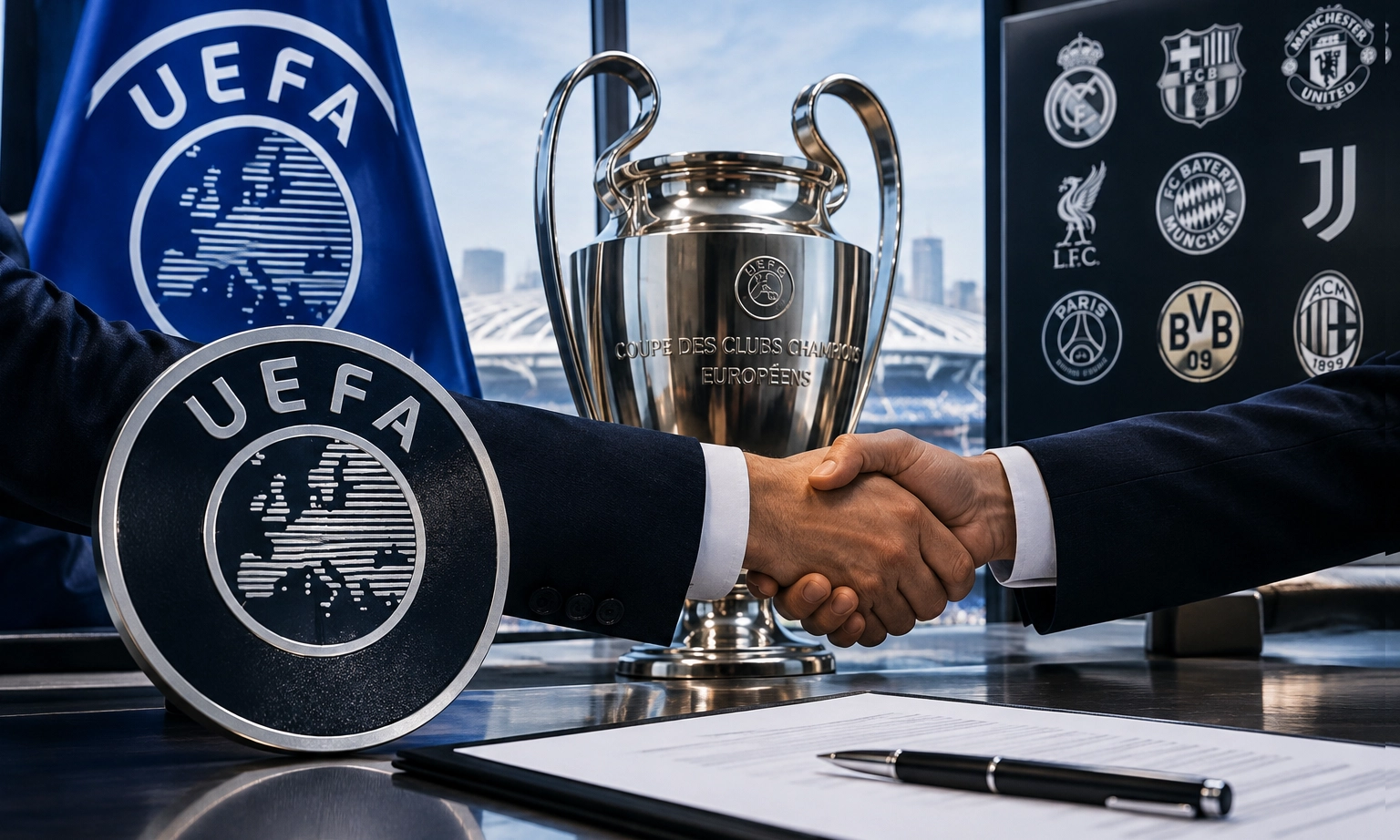
UEFA has now allocated the large majority of its 2027-31 club competition rights, with completed agreements approaching US$6 billion a year and rights in a further set of European markets finalised in the past two weeks. Rights deals in Sweden, Denmark, Austria, Portugal, Switzerland, Norway, Romania, Finland and the Republic of Ireland have all been finalised for the four-season cycle that begins in 2027-28.
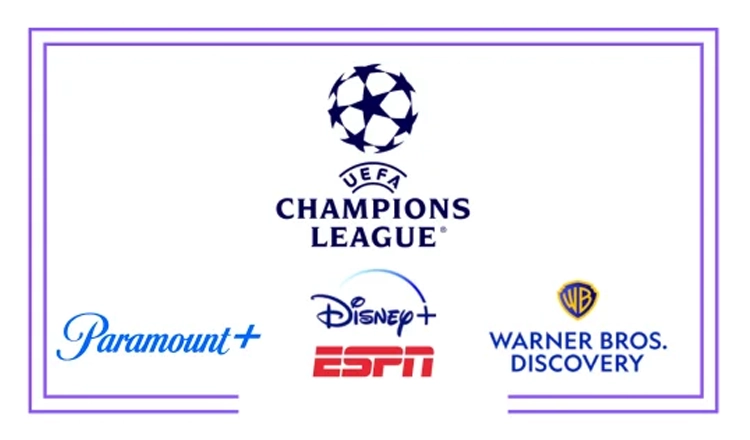
The sale is being run by Relevent Football Partners alongside UC3, the joint venture between UEFA and the European Club Association that replaced Team Marketing as the governing bodys commercial agent in late 2024. The process opened with the big five European markets in late 2025, where Paramount displaced TNT Sports in the United Kingdom and added Germany, and has since worked outward through mid-sized and smaller territories. In the Americas, Disney and Paramount split Champions League coverage across South America, Central America and Mexico, while Paramount took all UEFA competitions in Canada. In the United States, Paramount retains English-language rights through 2030 at a reported US$250 million a year, and in July NBCUniversals Telemundo acquired exclusive Spanish-language rights to all UEFA mens club competitions from 2027-28, taking the package from DAZN and TelevisaUnivision. The recently completed European deals mostly favoured incumbents: TV2 held Norway, Digi Sport held Romania, Viaplay held Denmark, and DAZN extended in Austria and Portugal, with Disney and Nelonen the notable new entrants in Sweden and Finland.
The strategic point is what did not happen. For two years the assumption in European rights markets was that a single global streaming platform would eventually buy the Champions League outright and collapse the territory map. Instead, UEFA and UC3 have generated roughly 20 per cent growth over the previous cycle in major markets by doing the opposite: slicing the inventory into national packages, running them sequentially, and letting pay-television incumbents and streamers bid against each other market by market. The centralised agency structure is what makes that possible, because it lets one seller hold price discipline across dozens of simultaneous negotiations rather than accepting a single discounted global cheque. Streaming platforms have taken share, but at the periphery of the map rather than at its core.
For the industry, the outcome sets a template that other properties will study closely. Rights holders now have evidence that fragmentation, managed centrally, out-earns consolidation, which raises the cost of entry for any platform trying to buy a competition on a continental basis. It also confirms the United States as a two-track market where Spanish-language rights are sold and priced independently, and where a broadcaster with existing World Cup and soccer infrastructure will pay to defend that position. The remaining question is what the big five renewals signalled about the ceiling: with the map nearly complete, UEFAs next cycle will have to grow from a base that already prices the competition close to its current audience.