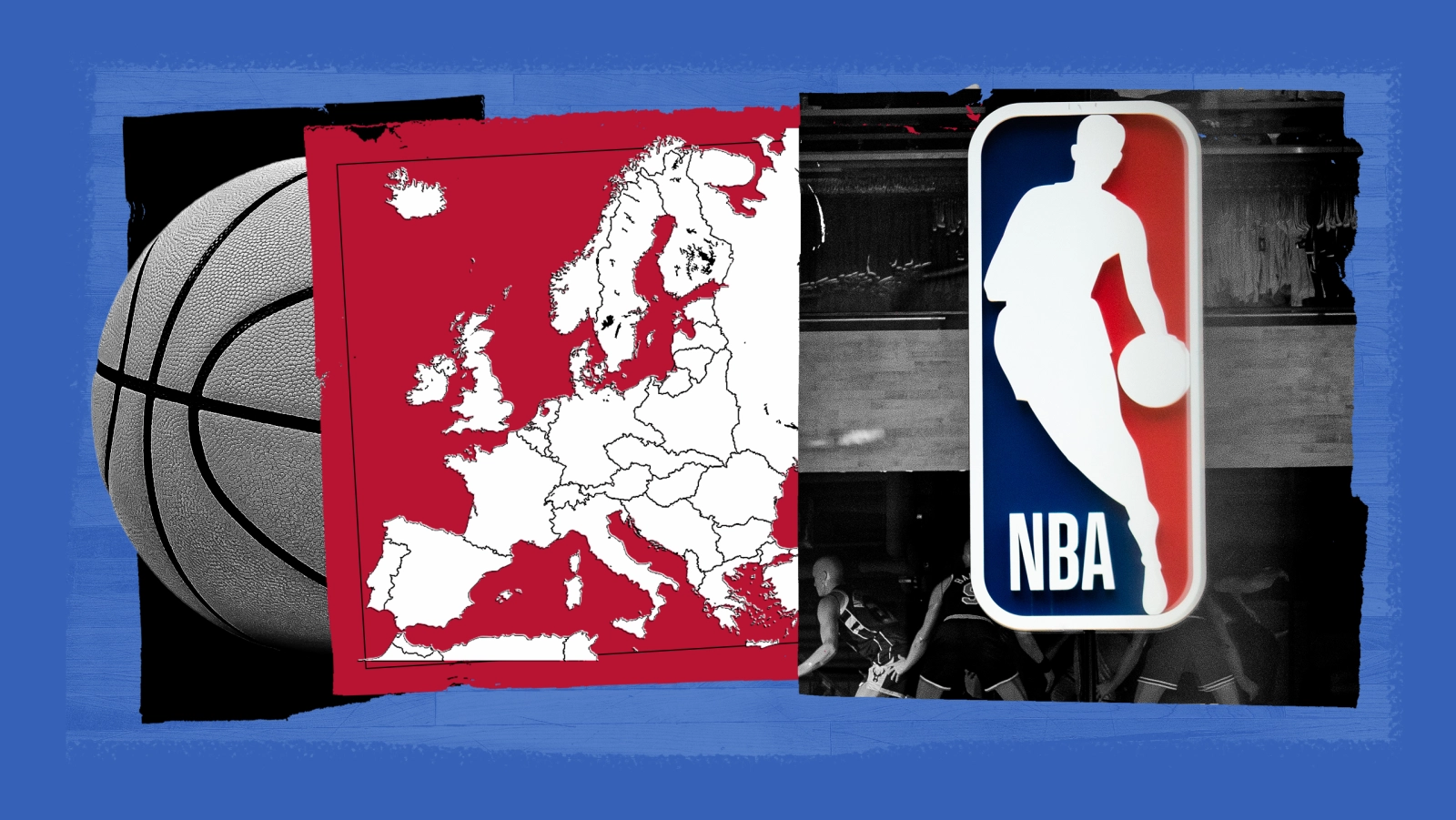

The NBA is preparing to name the founding franchises of its European league this autumn, with a target launch in October 2027 and franchise fees sought in the range of US$500 million to US$1 billion per team. EuroLeague chief executive Chus Bueno addressed the project publicly on 4 September, saying the two organisations should be open to an arrangement that works for both sides while warning about the cost of a fragmented market.
The plan, developed with FIBA, envisages twelve permanent franchises across London, Manchester, Paris, Lyon, Madrid, Barcelona, Rome, Milan, Munich, Berlin, Athens and Istanbul, within a competition of up to sixteen teams with qualification routes through FIBAs Basketball Champions League or a play-in tournament. Bids have exceeded US$500 million in each target city and some have reached US$1 billion. The NBA has courted sovereign wealth capital with no ownership cap for the European entity, against the 20 per cent limit that applies to its own clubs. EuroLeague is restructuring in parallel: it completed a valuation exercise putting the competition at EUR1.41 billion, with a projected rise to EUR1.64 billion in 2026-27; it is converting licences into permanent franchises, with eight additions targeted for 2027-28 to reach 24 teams, and will launch a unified direct-to-consumer platform in October.
What the NBA is exporting is not basketball but a capital structure. European club sport is built on promotion, relegation and licence-based participation, which caps enterprise value because no owner can be certain of their place in the competition next season. Closed franchises with permanent membership convert that uncertainty into a tradeable asset, which is why bids are arriving at levels no European basketball club has ever commanded. EuroLeagues own franchise conversion is a direct response, and Buenos stated openness to partnership reflects a straightforward calculation: two competitions bidding for the same clubs, arenas, players and broadcast slots would dilute both.
The wider consequence is that Europes basketball market is being repriced before a single game is played. If franchise fees clear at these levels, they establish a valuation floor that will pull capital away from domestic leagues and toward whichever competition secures permanent membership, and they set a precedent other American properties will examine for their own international expansion. The unresolved variable is the clubs. Real Madrid, Barcelona, Bayern Munich, Panathinaikos and others hold EuroLeague commitments, and any attempt to move them invites litigation. Whether this ends in competition or in a negotiated single structure will determine whether European basketballs value expands or simply changes owner.