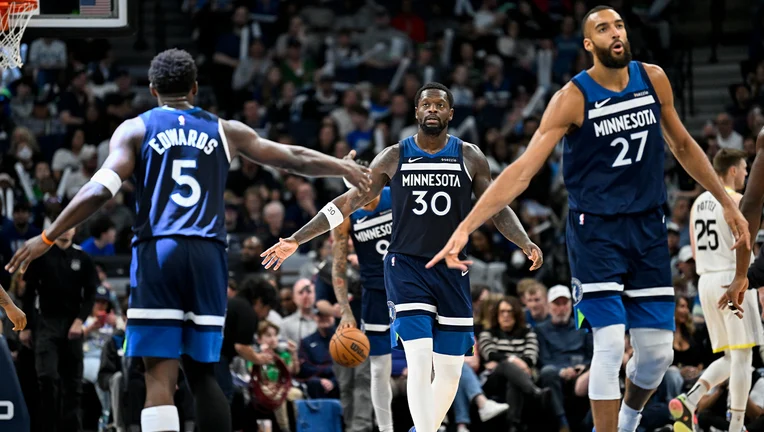

NBA owners voted in March 2026 to formally explore expansion franchises in Las Vegas and Seattle, with franchise fee expectations set at $8 billion to $10 billion per team — a figure that would shatter the previous record for any professional sports franchise fee globally. At $16 billion in total, the two expansion slots would generate a one-time distribution of approximately $533 million for each of the NBAs 30 existing owners. The league has hired investment bank PJT Partners to evaluate prospective markets, ownership groups, arena infrastructure, and the broader economic implications of expansion.
Confirmed bidders are beginning to take shape. In Las Vegas, Magic Johnsons investment group MAGI has emerged as a named participant. In Seattle, Samantha Holloway, part of the ownership group behind the NHLs Seattle Kraken, has hired JPMorgan and Moelis as financial advisers, becoming the first known bidder to formally engage investment banking representation. Both cities have strong underlying cases: Las Vegas welcomed the NHLs Vegas Golden Knights in 2017 and the NFLs Raiders in 2020, demonstrating that a major-market sports culture can be built rapidly in what was once considered a transient entertainment destination. Seattle, meanwhile, lost its NBA franchise — the SuperSonics — to Oklahoma City in 2008 and has maintained an organized advocacy effort for the leagues return for nearly two decades.
The $8 to $10 billion fee range serves multiple strategic functions for NBA leadership. At its surface, it is a revenue event for existing owners — each receives over $500 million in upfront capital against an asset that typically requires no new equity outlay. More substantively, the fee range acts as a selection mechanism. At $8 to $10 billion per franchise, only ownership groups with access to institutional-scale capital can qualify, ensuring that the NBAs expansion partners arrive with balance sheets capable of sustaining long-term investment in arena infrastructure, player payroll at the luxury tax level, and the commercial development required to build a competitive franchise from scratch. The fee also functions as a market signal: the NBAs $76 billion, 11-year broadcast rights package that began in the 2025–26 season has fundamentally reset the revenue floor for every franchise, justifying valuations that would have appeared speculative two years ago.
The formal vote on finalists is expected before the end of 2026, with expansion teams targeting the 2028–29 season. If both franchise fees land at or above $8 billion, the total proceeds would exceed the combined franchise sale revenue generated by every MLB, NFL, NHL, and NBA transaction completed before 2022. Beyond the immediate revenue event, the expansion calculus extends further: with European franchise markets under informal discussion, the NBA is positioning the Las Vegas and Seattle approvals as the first phase of a broader geographic expansion that could, within a decade, require a new round of media rights and seat renegotiations.