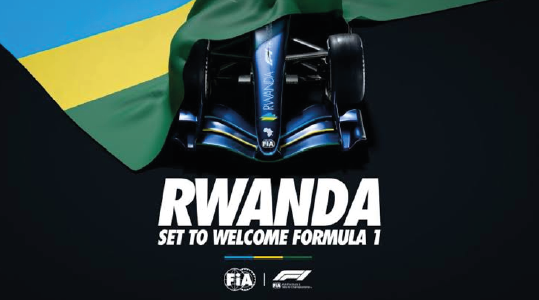
Formula 1 has agreed a 10-year deal with the Government of Rwanda and the Rwanda Development Board to stage the Formula 1 African Grand Prix, presented by Visit Rwanda, at a new purpose-built circuit in Bugesera, about 40km south of Kigali. The race is expected to start in the early 2030s, once the venue is complete. No date or hosting fee has been disclosed.
It would be the first Formula 1 race in Africa since the 1993 South African Grand Prix at Kyalami. The circuit, next to the new Kigali International Airport, is being designed to FIA Grade 1 standards by WurzDesign, led by former driver Alexander Wurz, together with Tilke Engineers and Architects, and is intended to host other motorsport events and conferences year-round. F1 cites more than 100 million fans across Africa and says almost 60 of fans in key Sub-Saharan markets are under 35. Rwanda has built its sports profile through Visit Rwanda partnerships with Arsenal, Paris Saint-Germain and Bayern Munich, and hosted the FIAs General Assembly and annual prize-giving in Kigali in December 2024. Not everyone welcomed the announcement. South Africas sports minister, Gayton McKenzie, questioned why a continent of 54 countries should have only one race when Europe has nine, the United States three and the Middle East four, and said he believes South Africa could host an event in 2028 or 2029.
The agreement follows a familiar model in which a state finances a race as part of a national development and destination marketing strategy. The hosting rights are funded through the countrys tourism brand, and the circuit is tied to a new airport and a convention-led economic plan rather than to local ticket demand alone. For F1, the structure is attractive. A ten-year commitment secures a future calendar slot and a new market without the commercial rights holder taking on construction risk, while the long lead time gives the series time to develop audiences and sponsorship in the region before the first race.
The deal adds pressure to a calendar already close to its practical limit of 24 races. Every new state-backed event strengthens F1s hand with existing promoters, particularly in Europe, where rotation is becoming the price of staying on the schedule. It also creates competition within Africa: South Africa now has a clear benchmark to meet and a commercial argument to make. Sponsors gain access to one of the youngest fanbases in global sport. The reputational dimension will need managing. Visit Rwandas football partnerships drew criticism in 2025, when the government of the Democratic Republic of Congo urged clubs to end them over the conflict in eastern Congo. F1 and its partners should expect similar scrutiny throughout the build-up to the first race.