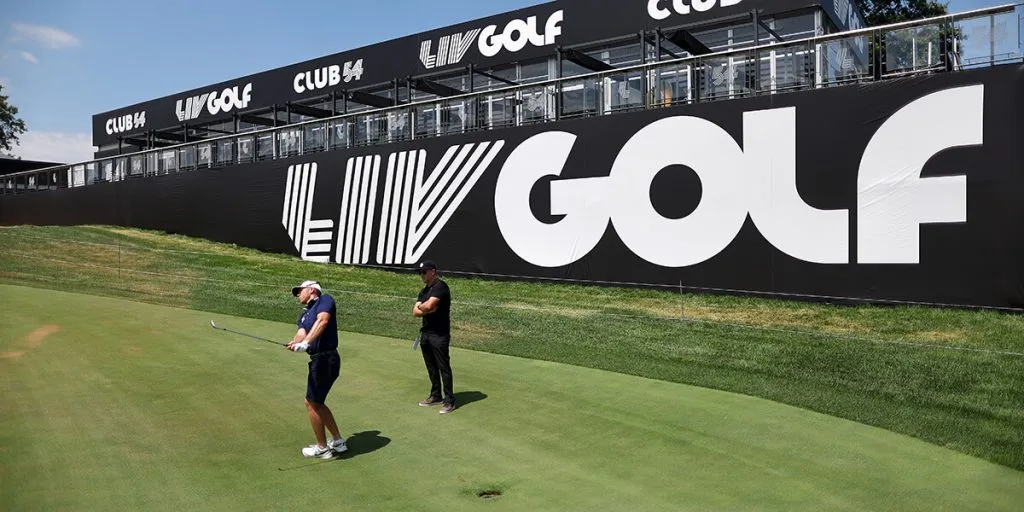
PGA Tour commissioner and CEO Brian Rolapp told Bloomberg Television on August 7 that there is no merger, no conversations underway with LIV Golf, closing the door on speculation that had persisted since the two tours framework agreement in June 2023. Rolapp said the PGA Tours focus remains on improving its own product rather than pursuing consolidation with the Saudi-backed rival circuit.
The statement marks a sharp reversal from the posture set three years ago, when the PGA Tour, DP World Tour and Saudi Arabias Public Investment Fund announced a surprise framework agreement to combine their commercial operations, a deal that was expected to be formalized as a full merger but instead stalled amid U.S. antitrust scrutiny, player pushback and disagreements over PIFs role and financial terms. In the interim, the PGA Tour restructured its own competitive format and increased prize money to retain and recapture top talent, while LIV Golf has continued to face weak viewership and questions about its financial sustainability as PIF has pulled back some of its broader sports spending commitments this year.
Rolapps comments reflect a PGA Tour that is negotiating from a position of relative strength rather than urgency. Having weathered LIVs initial talent raid and rebuilt a competitive product and media package on its own terms, the Tour has less commercial incentive to accept a deal structure that would hand PIF governance influence over a century-old American sports institution. That shift in leverage — from a 2023 framework agreement signed partly to stop competitive bleeding, to a 2026 flat denial of any active talks — signals that PIFs broader recalibration of state-backed sports spending, also visible in reduced LIV investment, has weakened its bargaining position across the golf ecosystem specifically, even as the fund continues large commitments elsewhere, including its recently closed $55 billion acquisition of Electronic Arts.
For LIV Golf, the statement removes the near-term prospect of a negotiated exit into a combined tour structure, leaving the circuit to either continue operating independently on PIF funding or find another path to relevance in the sports competitive hierarchy. Players who moved to LIV on the expectation that a merger would eventually restore access to the Official World Golf Ranking points and major-championship pathways tied to PGA Tour standing now face a longer, less certain timeline for that outcome.
The broader signal for the industry is that sovereign-backed sports ventures cannot assume incumbent leagues will eventually negotiate consolidation once a rival demonstrates it can survive independently; where the incumbent successfully defends its market position, as the PGA Tour has now done, the state-backed challenger is left absorbing ongoing losses with no clear commercial off-ramp, a dynamic other leagues facing breakaway or state-funded competitive threats will be watching closely.