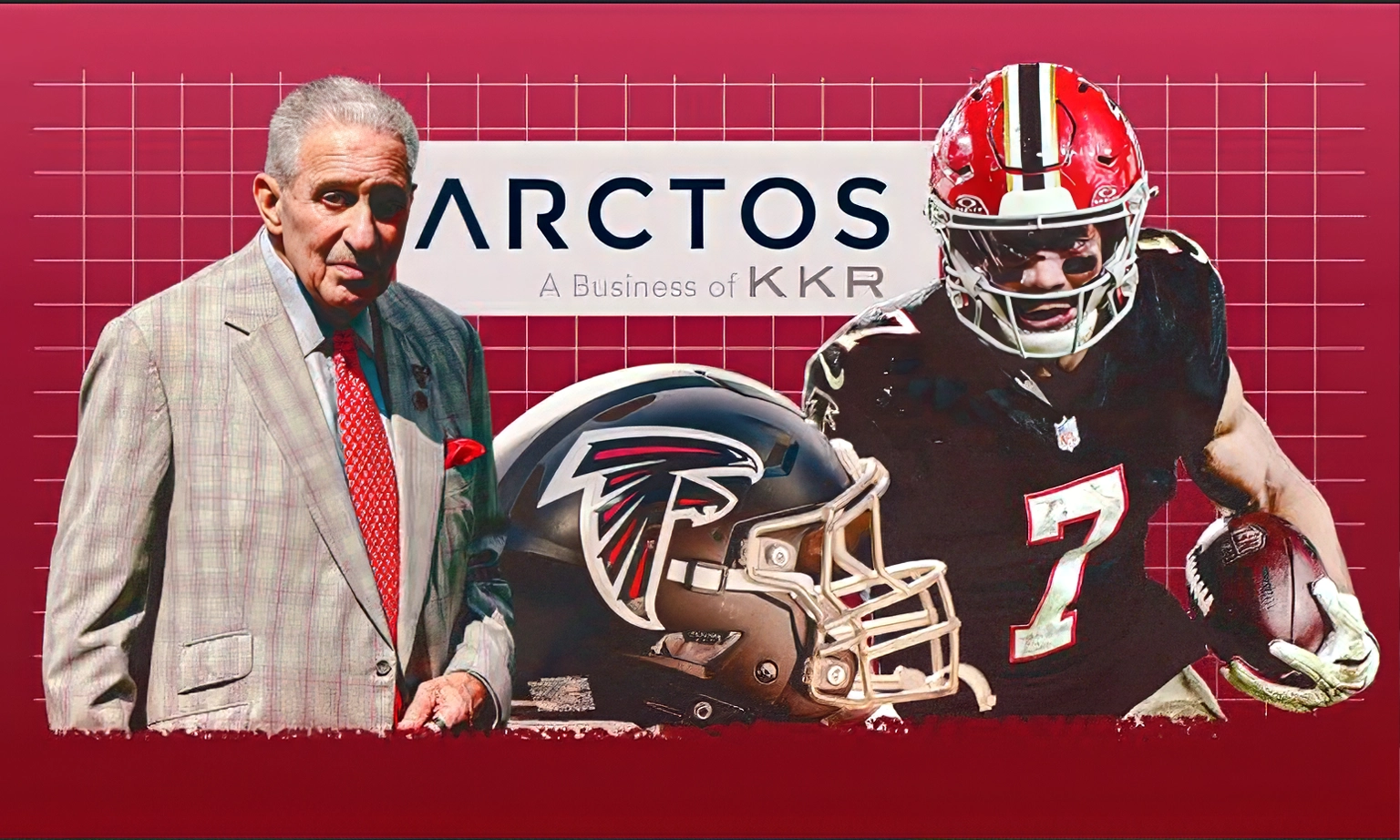
Arctos has agreed to acquire a 10 per cent stake in the Atlanta Falcons at a valuation of US$10.6 billion, in a transaction reported on 20 August. The investment will be executed in two phases, beginning with 7.5 per cent, and requires an NFL ownership vote expected in October.
The deal makes the Falcons the fourth NFL franchise in the Arctos portfolio, after the Los Angeles Chargers, Buffalo Bills and Cleveland Browns, and confirms the firm, now owned by KKR, as the largest private equity holder in American football. Arthur Blank controls roughly 73 per cent of the club. The NFL only opened to institutional capital in 2024 and did so on the most restrictive terms in North American sport: approved funds may hold up to 10 per cent of a single club and invest in a maximum of six, with no governance rights. By comparison, the NBA, NHL and MLS permit 30 per cent collective private equity ownership and MLB permits 20 per cent. Only a short list of funds is cleared to participate, comprising Arctos, Sixth Street, Ares Management and a consortium of Carlyle, Dynasty Equity and Curtis Martins Ludis. Six NFL clubs now have institutional investors, including Sixth Street in the New England Patriots and Ares in the Miami Dolphins, while the Arctos position in Cleveland was reported at US$270 million.
The valuation is the story. At US$10.6 billion, a passive minority position in Atlanta is priced above the US$9.61 billion agreed for control of the Seattle Seahawks, the current record for a full NFL franchise sale. Minority stakes normally trade at a discount to control because they carry no decision rights and limited exit paths; the inversion indicates that institutional buyers are underwriting future national media renewals rather than current cash flow, and that demand for NFL exposure now exceeds the supply the league is willing to release. For owners, the mechanism solves a specific problem: it converts paper wealth into liquidity for estate taxes and stadium contributions without diluting family control.
The industry consequence is that private equity has become the pricing authority for NFL franchises even without buying any of them. Each fund transaction establishes a public mark that is then applied across the league in lending, succession planning and subsequent sales, which is why valuations have moved faster than revenue. It also concentrates influence: with six clubs already backed and a six-team cap in place, Arctos is approaching the ceiling the league designed, and pressure to raise the 10 per cent limit will build as sale prices continue to outrun the pool of individuals able to pay them. The leagues next decision is whether to loosen the rules it wrote only two years ago.