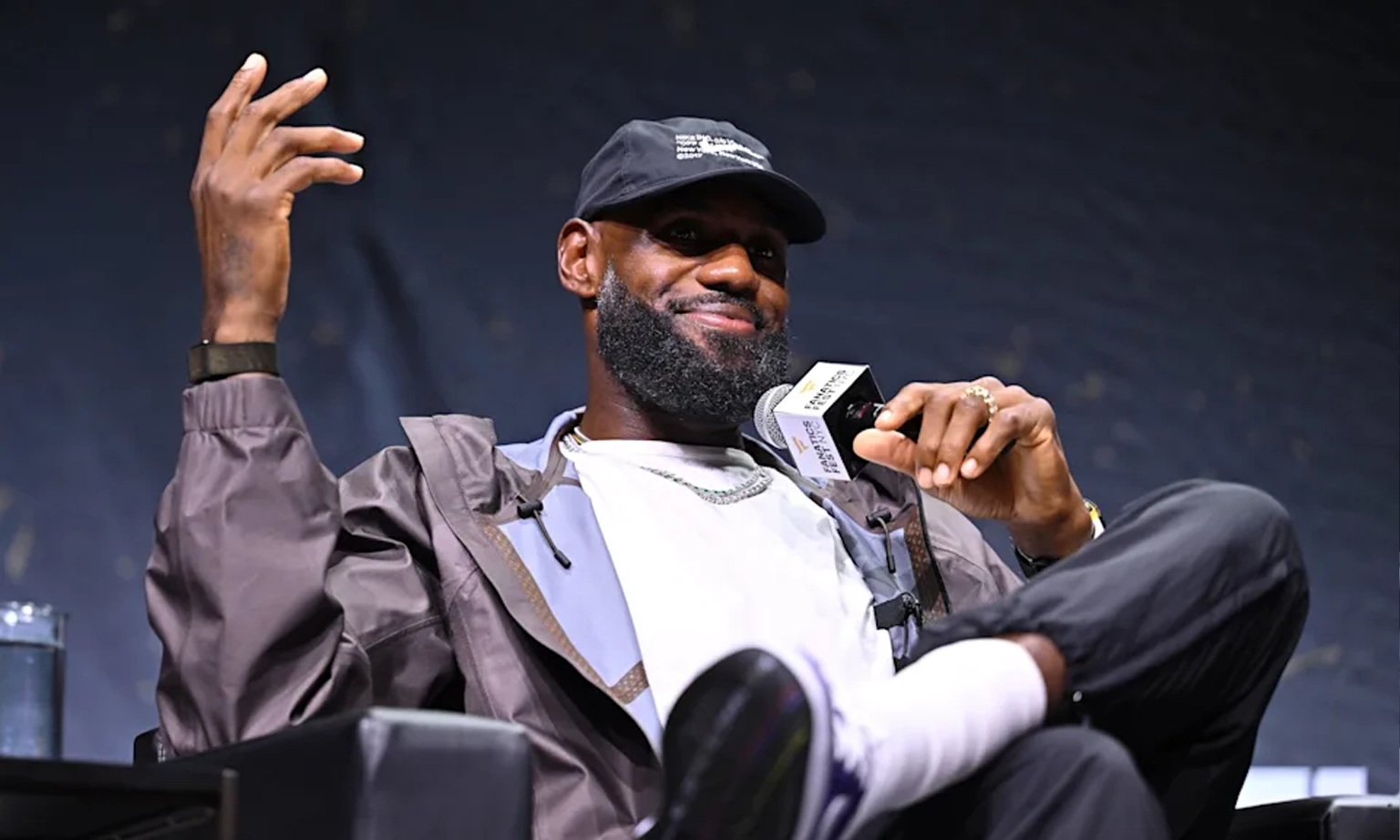
LeBron James announced a partnership with prediction market platform Polymarket on 5 September, publishing a video on X that ended on a shot of a set marked Polymarket HQ. Coming soon. Neither party disclosed the financial terms or the scope of the agreement, and the specific activation has not yet been detailed.
James is the first active NBA player to align with a prediction market operator and Polymarkets first individual athlete partner. The category has moved quickly through professional sport in 2026: Bryson DeChambeau signed with Kalshi in January, MLB agreed a multi-year deal with Polymarket in March, the NHL partnered with both platforms, and the US Open named Kalshi its exclusive prediction market partner on 1 September. Front Office Sports reported on 3 September that the NBA is negotiating with both Kalshi and Polymarket ahead of the coming season. The regulatory position, however, remains contested. On 28 August the Ninth Circuit ruled that states may regulate prediction market platforms as gambling, a decision that undercuts the federal-preemption argument these operators have relied on and sets up a likely Supreme Court fight.
The strategic significance is that athlete endorsement is being used to establish consumer legitimacy ahead of legal clarity, not after it. Prediction markets have spent two years arguing they are exchanges rather than sportsbooks; a signature from the most recognisable player in basketball does more to normalise that framing with American consumers than any regulatory filing. It also exposes an inconsistent policy map across leagues. The NFL and PGA Tour reportedly bar players from endorsing prediction markets, while baseball, hockey and now individual NBA talent have entered the category. Where leagues have not written rules, players are setting the precedent themselves.
For the industry, the immediate implication is commercial and the medium-term implication is governance. A new sponsorship category is forming around event contracts, with inventory that includes athletes, tournaments and league marks, at a moment when traditional sportsbook spending has plateaued. But integrity frameworks were written for licensed sportsbooks operating under state regulators, and they do not cleanly cover federally regulated exchanges, athlete equity or endorsement arrangements tied to markets involving the endorsers own sport. If the Ninth Circuit ruling holds, deals signed in this window may need restructuring state by state, and leagues that have not yet published a player policy will be doing so under pressure rather than by design.